The History of Overlanding: From Cattle Drives to Campervans
Picture a truck kicking up red dust on an Australian outback track. A Land Rover bouncing across the African savanna. A rooftop tent silhouetted against a desert sunset.
Overlanding feels like a modern invention. It isn't. It started as work, turned into one of the great feats of early motoring, and eventually became the global obsession it is today. Here's how we got from cattle drives to campervans.
It Started With Cattle, Not Campsites
Overlanding originated as hard work
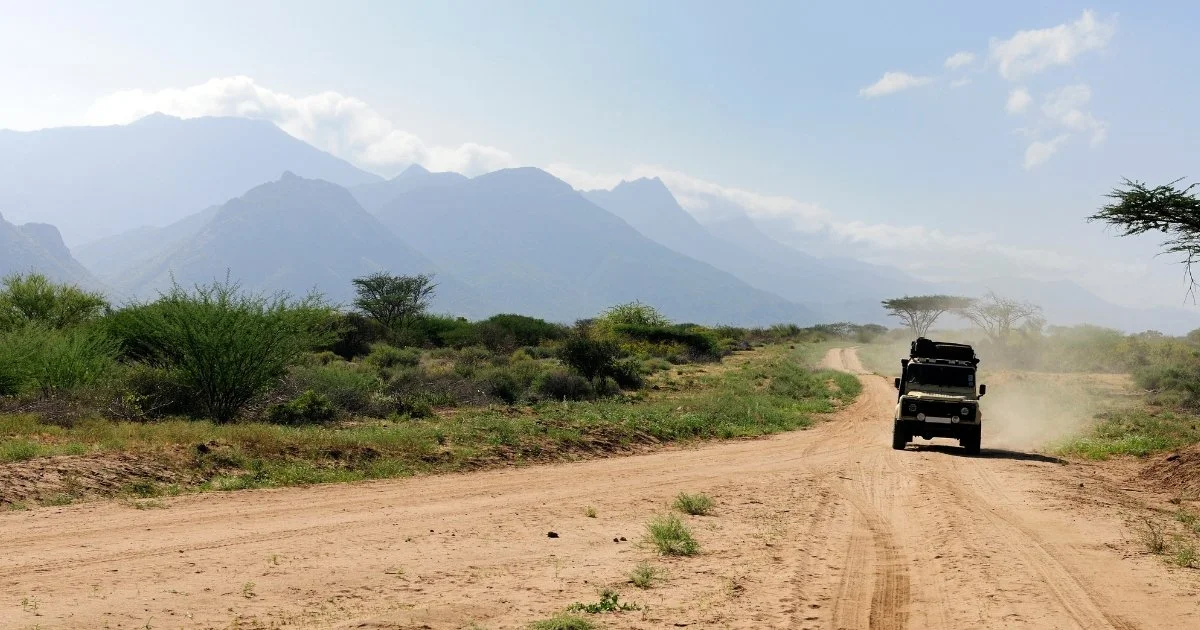
Before "overlanding" meant adventure, it meant survival. The word itself comes from 19th-century Australia, where driving livestock across vast, roadless distances was the only way to supply new settlements.
In 1838, two men named Joseph Hawdon and Charles Bonney drove a herd of cattle 1,000 miles from New South Wales to Adelaide. It took them ten long weeks. Wilderness the whole way. It worked, and it cracked open the Australian interior for everyone who came after.
This wasn't unique to Australia. Silk Road caravans, pioneer wagon trains across the American West, Aboriginal songlines, trans-Saharan camel routes: all of it was overlanding before the word existed. Nobody was doing it for fun. They were doing it because there was no other way to get where they needed to go.
Then Someone Put an Engine In It
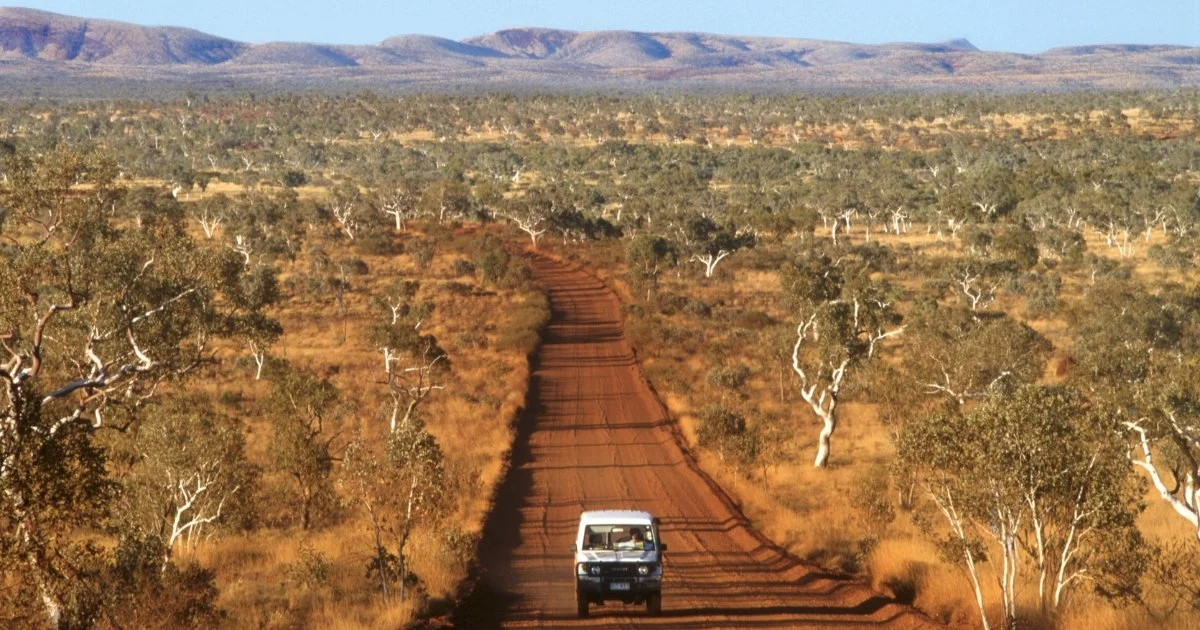
The 20th century changed everything, and it started with a bet nobody thought anyone could win.
In 1903, a Vermont doctor named Horatio Nelson Jackson wagered he could drive an automobile across the United States. There were barely any roads. He did it anyway: 63 days, 600 gallons of gas, and a small mountain of breakdowns later, his 20-horsepower Winton became the first car to cross America coast to coast.
The same year, a guy named George Wyman rode a motorized bicycle from San Francisco to New York in 50 days. The message was clear: this didn't have to be about necessity anymore. It could be about the challenge itself.
Automakers caught on fast. In 1910, Pierce-Arrow released a touring car with a fold-down bed, a sink, and a chamber pot. The first campervan, more or less, built before most of America even had paved roads to drive it on.
Meanwhile, the real expeditions were getting wilder. In 1909, Lt. Paul Graetz became the first person to drive across Africa, coast to coast, in a primitive automobile that had no business surviving the trip. In the 1920s, Ralph Bagnold mastered dune navigation crossing the Libyan desert. By 1933, an Austrian rider named Max Reisch had ridden a 250cc motorcycle from Europe to Mumbai.
None of these people had GPS, satellite phones, or a clue what was actually ahead of them. They just went.
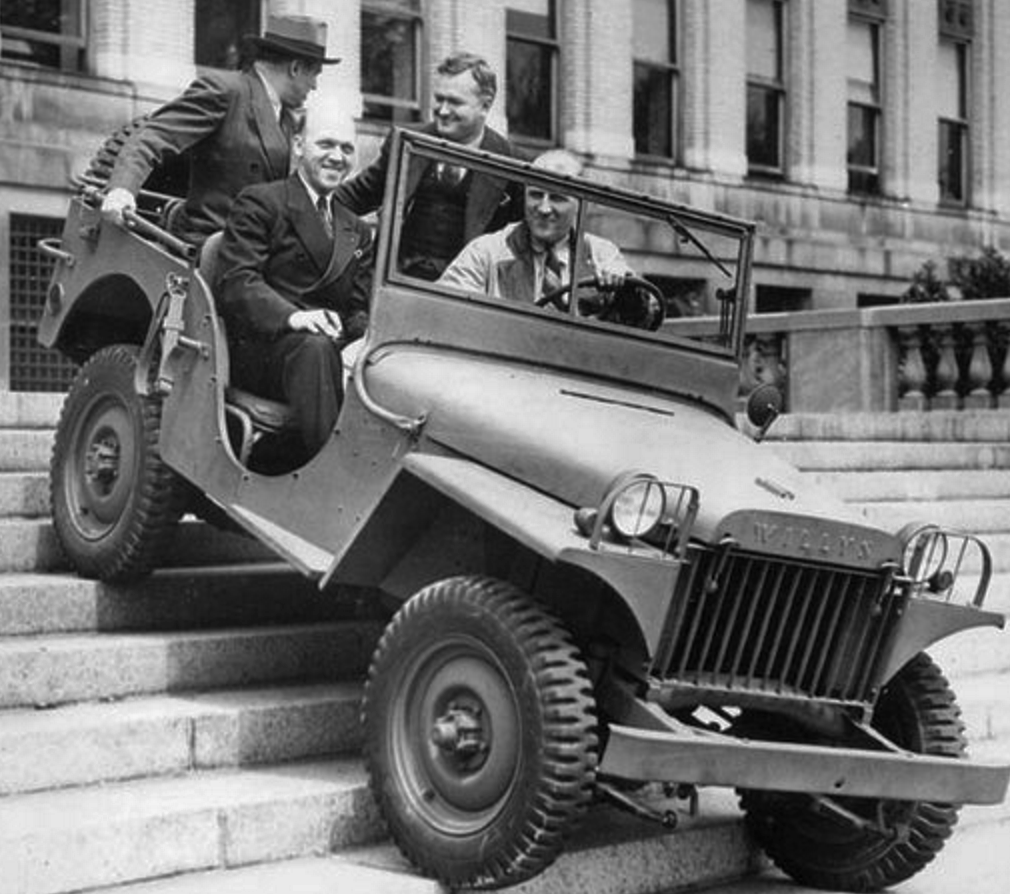
Willys-Overland staged publicity event, driving their MA Jeep up and down the U.S. Capitol Steps, inviting dignitaries and members of the press, in February 1941. Image: Wikimedia Commons
War Surplus and Station Wagons
World War II is the unlikely hinge point in this whole story. It produced the Jeep and the Land Rover, and when the war ended, surplus 4x4s flooded the civilian market for cheap. Suddenly anyone, not just explorers and the military, had access to a vehicle that could go anywhere.
The vehicle's name almost happened by accident. In February 1941, Willys-Overland drove an early prototype straight up the steps of the U.S. Capitol in front of a crowd of reporters and dignitaries. A Washington Daily News journalist asked the test driver what the thing was called. He shrugged and said, "it's a jeep." The photo and the quote ran in the paper days later, and the name never let go.
The 1950s and 60s ran wild with it. American families piled into station wagons for national park road trips. The Toyota Land Cruiser entered the picture. And in 1955, six university students from Oxford and Cambridge loaded into two Land Rovers and drove from London to Singapore and back: 32,000 miles, deserts, jungle, rivers bridged with whatever was on hand. They made it. Their Series I Land Rovers needed only minor repairs the entire way.
By the late 1960s, this had scaled into something bigger. Comex 3 sent over twenty Bedford buses from London to India and back in 1969, carrying hundreds of young travelers in the spirit of cultural exchange. A year earlier, a British Army team drove from Anchorage to the southern tip of South America, completing the Pan-American Highway by vehicle.
The dream of driving anywhere on Earth had stopped being a dream.
When the Journey Became the Whole Point
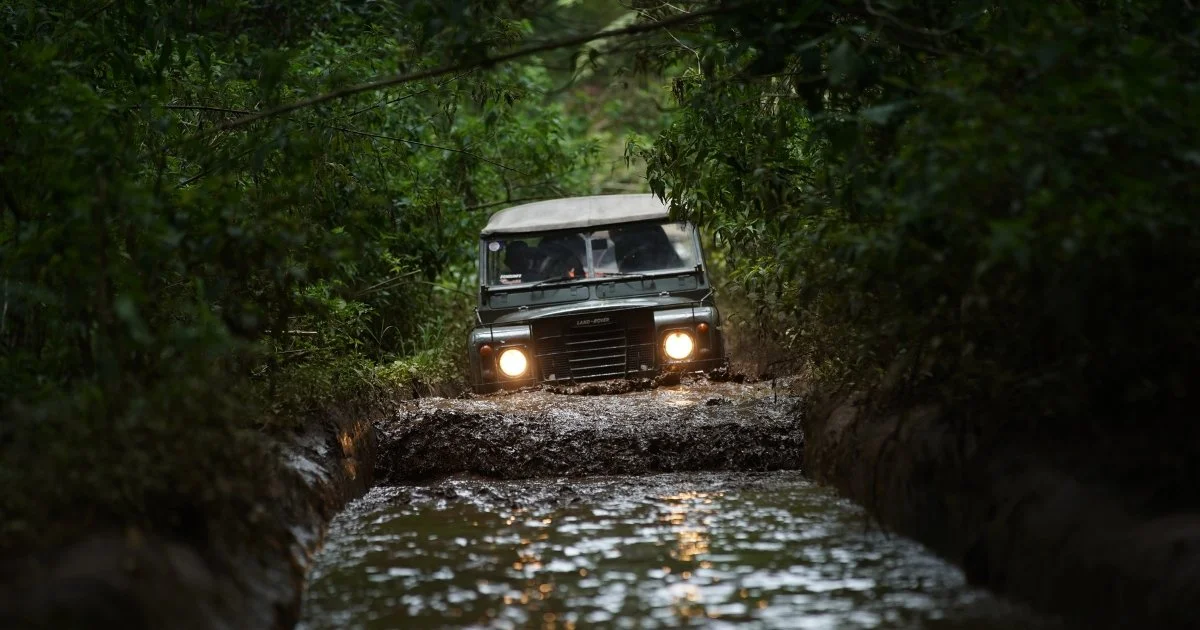
By the 1970s, the shift was complete. Overlanding wasn't about delivering cattle or proving a point anymore. It was about the trip itself.
Better gear made it possible to actually enjoy the discomfort: lightweight tents, portable stoves, 12-volt fridges. South African and Australian overlanders started bolting rooftop tents onto their rigs, an idea that baffled Americans the first time they saw it and is now standard kit on half the vehicles in our own fleet or you can rent one of our rooftop tents to try our on your rig.
This era also produced some of the sport's first legends. Gary and Monika Wescott spent decades traveling the globe in a custom expedition truck they called "The Turtle." Ted Simon set off on a four-year solo motorcycle journey around the world in 1973, later turned into the book Jupiter's Travels. And in 1980, a cigarette company looking for a marketing stunt accidentally created one of the most legendary events in off-roading history: the Camel Trophy, a multi-year competition that sent teams through the Amazon, African swamps, and Siberian tundra. It ran for two decades and turned mud-splattered trucks winching each other out of bogs into must-watch television.
But the quieter revolution mattered just as much. Weekend explorers realized you didn't need a continent to cross. A two-night trip into the backcountry, stringing together trails and dirt roads instead of driving straight to a campground, counted just as much.
As one early enthusiast put it: the journey itself is the goal.
That line still describes the sport better than almost anything written about it since.
Modern Overlanding Culture
From Niche Hobby to Global Movement
The internet did for overlanding what surplus Jeeps did after the war: it opened the door wide. Forums and blogs connected travelers across continents who could finally trade route notes, gear reviews, and border-crossing tips without waiting months for a letter to arrive.
Today the community has its own gatherings, its own gear ecosystem, its own unmistakable culture. Overland Expo started in 2009 with 900 people in Prescott, Arizona, and has since grown into one of the largest events of its kind in the world. Rigs now roll in with rooftop tents that pop open in seconds, solar setups, dual batteries, and fridge-freezers, turning trucks into fully self-contained basecamps. There's even an old joke for it: a sleeping bag in the back of a pickup is camping, but the same sleeping bag in the back of a Land Rover is overlanding.
What hasn't changed is the heart of it. Self-reliance. Curiosity. The willingness to move slower, breath deeper, take the scenic road, and actually talk to people along the way instead of just passing by.

Why It Still Matters
Overlanding has gone from Hawdon and Bonney's cattle drive to Camel Trophy mud pits to a Toyota Tundra parked at 10,000 feet in the Rockies, and somehow the core of it never moved an inch. It's still about going further than the pavement allows and trusting yourself to handle whatever shows up along the way.
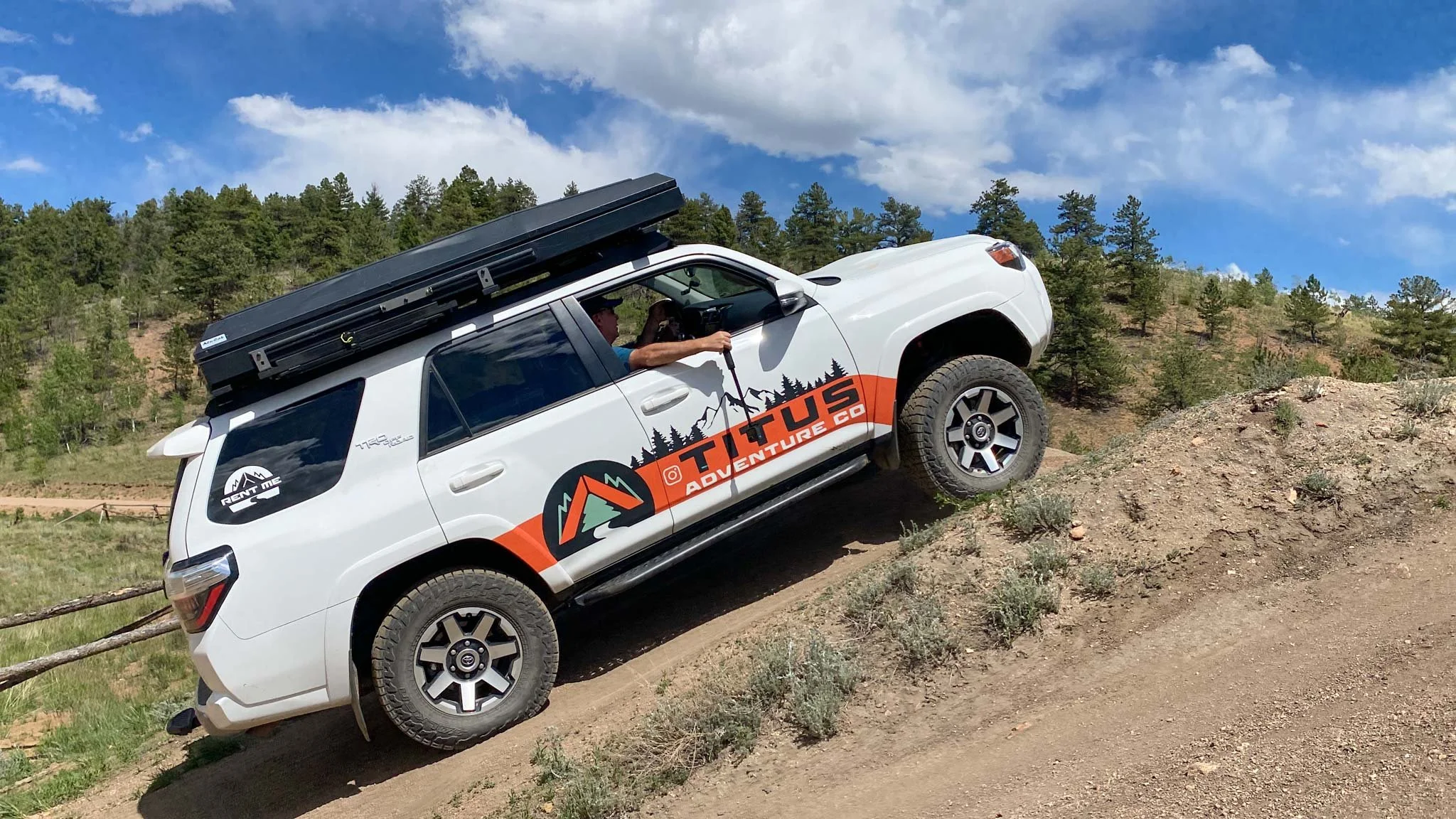
That's the same spirit we share at Titus Adventures: the belief that the power of outdoor adventure is worth chasing, whether you're a first-timer or someone who's been doing this since before GPS existed. Every overland rig we send out, lifted, kitted, and trail-ready, is a small continuation of a story that started with people moving cattle across a continent because there was no other way through.
The trails have changed. The reason people get on them hasn't.
Ready to Hit the Dirt?
Learning the ropes of overlanding is now easier than ever. If you’re interested in getting off the pavement, a good place to start is our video OVERLANDING 101: Learn how to drive 4×4 trails for your next overlanding adventure. When you’re ready to take the keys into your own hands we have many options for beginners and experienced off-roaders. Gain confidence by joining one of our Guided Overland Trips, these group trips are a perfect opportunity to drive some challenging sections with support from our team. Guided Trips are also a great way to connect with other enthusiasts who share a passion for outdoors and adventure. Ready to go it alone? We are always happy to answer questions and suggest trails for any group or experience level. We also offer Custom Trip Planning services where we take your route to the next level, providing detailed maps with hikes and excursions along the way. Whatever adventure you’ve been dreaming of, our team at Titus Adventures can make it a reality.